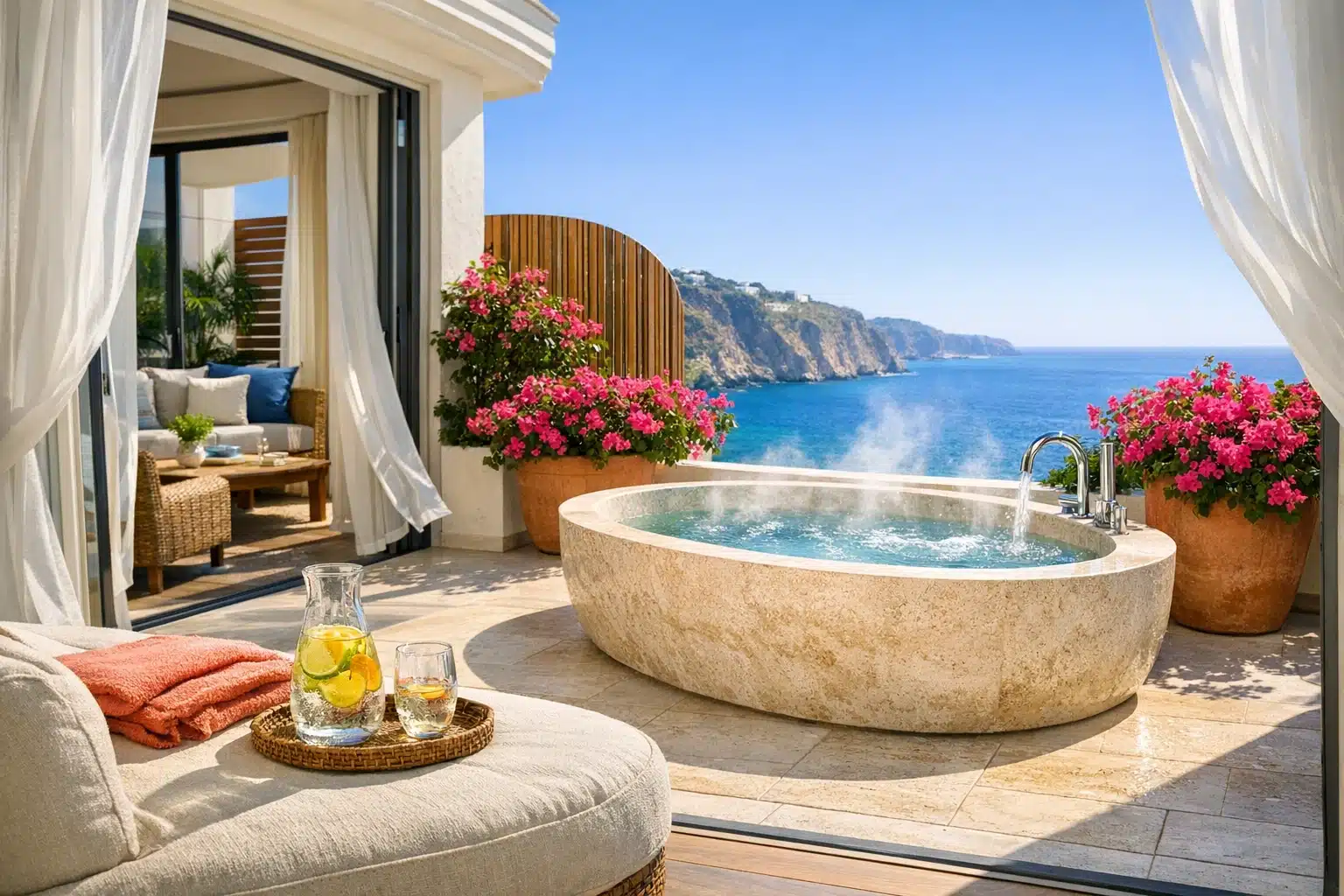
Exploring the Impact of Interior Painting Color Choices and Design Harmony
The Psychology of Color in Interior Design
Color has a profound effect on our emotions and behaviors, making it a crucial element in interior design. When selecting colors for your home, understanding the psychology behind each hue can guide you in creating a space that reflects your desired mood and purpose. For instance, blues and greens are often associated with tranquility and calmness, making them ideal for bedrooms and bathrooms. On the other hand, vibrant colors like red and yellow can stimulate energy and creativity, suitable for areas such as kitchens or home offices.
It’s important to note that color perception can be subjective and influenced by cultural and personal experiences. Therefore, while general guidelines exist, the choice ultimately depends on individual preferences. To achieve design harmony, consider how different colors interact within a space and complement existing furnishings and decor. This thoughtful approach ensures a cohesive and inviting atmosphere.
Achieving Balance Through Color Schemes
Creating a balanced interior involves selecting a color scheme that ties the entire room together. There are several approaches to developing a harmonious palette, such as monochromatic, analogous, and complementary schemes. A monochromatic scheme uses variations of a single color, offering a subtle and sophisticated look. This approach is particularly effective in promoting a sense of unity and spaciousness.
Analogous schemes incorporate colors adjacent to each other on the color wheel, providing a serene and comfortable feel. This method works well in living rooms or dining areas where relaxation and social interaction are prioritized. Complementary schemes, featuring colors opposite each other on the color wheel, create high contrast and visual interest, perfect for accentuating certain elements of a room.
When choosing a color scheme, consider the room’s natural lighting, as it can significantly affect how colors appear. South-facing rooms may benefit from cooler tones to balance the warmth of sunlight, while north-facing rooms might require warmer hues to add coziness.
The Role of Accent Colors and Focal Points
Accent colors and focal points play a pivotal role in enhancing design harmony. Accent colors are used to draw attention to specific areas or elements within a room, such as artwork, furniture, or architectural features. These colors should contrast with the primary palette to create a striking effect without overwhelming the space.
Focal points, on the other hand, are designed to capture the viewer’s attention and provide a sense of direction within a room. A fireplace, a statement piece of furniture, or a large window with a view can serve as a focal point. By using color strategically, you can emphasize these elements and ensure they stand out while maintaining overall balance.
To effectively incorporate accent colors, consider using them in smaller doses through accessories like throw pillows, rugs, or vases. This approach allows for easy updates and modifications as trends or preferences change.
Textures and Finishes: Enhancing Color Impact
Beyond color, textures and finishes significantly contribute to the aesthetic and tactile experience of a space. Different textures can enhance the impact of color choices, adding depth and interest to a room. For example, pairing a matte wall finish with glossy accents can create a dynamic contrast that highlights the color scheme’s nuances.
Incorporating a variety of textures, such as wood, metal, and fabric, can enrich the sensory experience and complement the chosen color palette. Consider the room’s function when selecting materials; durable textures are ideal for high-traffic areas, while softer materials can add comfort to private spaces.
Additionally, finishes like satin or eggshell can influence how light interacts with the walls, affecting the perceived color. Testing paint samples in various lighting conditions can help ensure the final result aligns with your vision.
Practical Tips for Choosing Interior Paint Colors
Selecting the right paint colors can be daunting, but following a few practical tips can simplify the process. Start by gathering inspiration from design magazines, online platforms, or even nature. Creating a mood board with samples of colors, textures, and materials can help visualize the desired outcome.
Consider the existing elements in the room, such as flooring, furniture, and fixtures, to ensure the new colors will harmonize with them. It’s also essential to test paint samples on different walls to observe how they look throughout the day under varying lighting conditions.
Finally, don’t rush the decision-making process. Take time to live with the samples and observe how they influence your mood and the room’s atmosphere. This careful consideration will lead to a more satisfying and cohesive interior design.