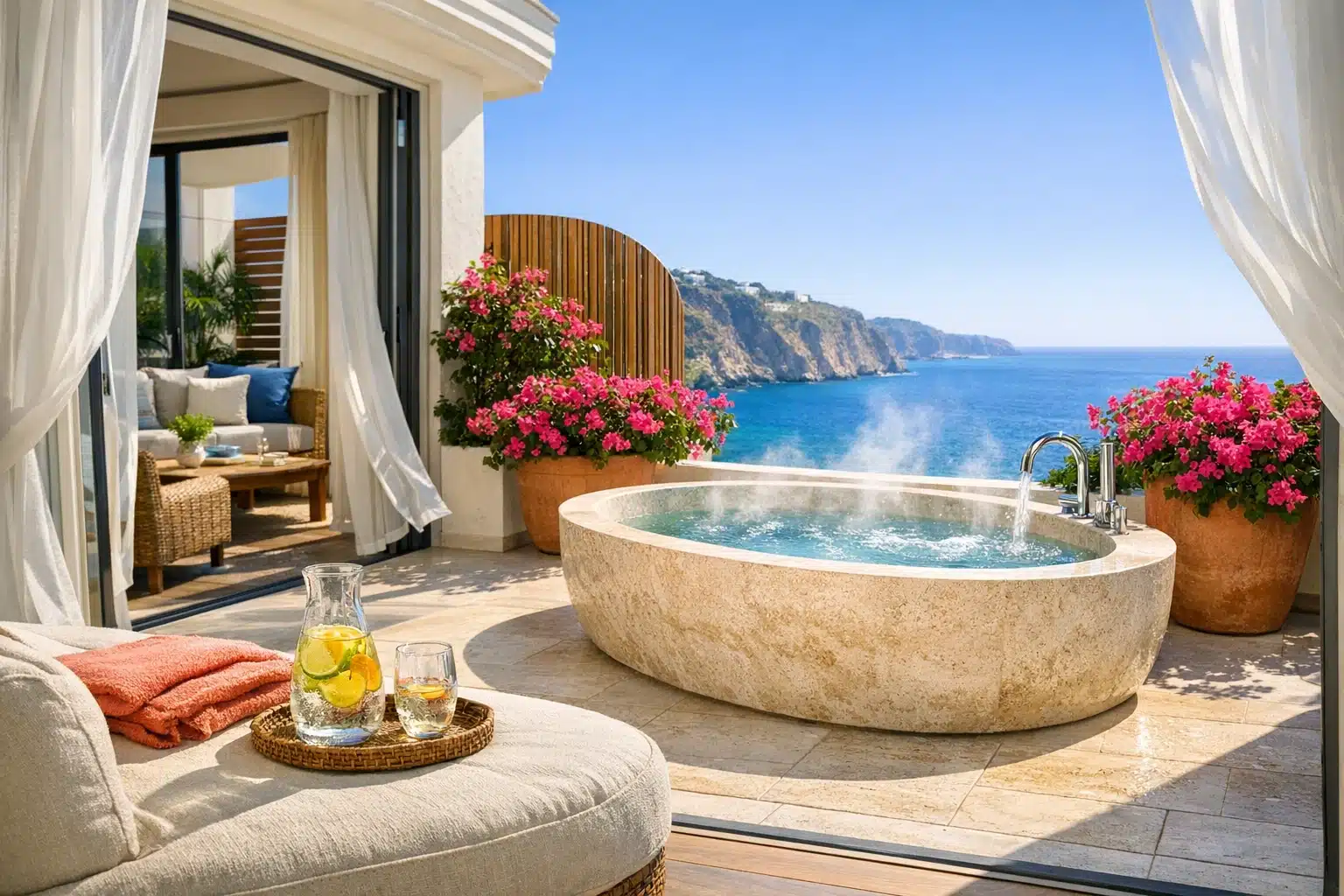
Curtain Design Ideas to Transform Your Home Interiors
The Importance of Curtain Design in Home Decor
Curtains play a crucial role in home decor, serving both functional and aesthetic purposes. They can influence the mood and ambiance of a room, offering privacy, controlling sunlight, and enhancing the overall design. Selecting the right curtain design is essential to complement your home’s interior style and bring a cohesive look to your spaces. From traditional to modern, the array of curtain designs available allows homeowners to express their personal taste while addressing practical needs.
When considering curtain design, it’s important to take into account the room’s existing decor, color schemes, and furniture styles. The right curtains can tie the elements of a room together, creating a unified and harmonious look. Additionally, curtain materials and patterns can significantly impact the feel of a room. Light, airy fabrics like linen or cotton can make a space feel open and breezy, while heavier materials like velvet or brocade can add a touch of luxury and warmth.
Curtains also offer the opportunity to play with textures and patterns. Mixing and matching different curtain styles can add depth and interest to a room. For instance, pairing sheer curtains with heavier drapes can create a layered look that’s both functional and stylish. This approach allows for flexibility in controlling light and privacy, as the sheer curtains can be left closed for a soft, diffused light, while the heavier drapes can be drawn for complete darkness.
Types of Curtain Designs and Their Aesthetic Appeal
Curtain designs come in various styles, each offering unique aesthetic benefits. Some popular types include:
- Pinch Pleat Curtains: Known for their elegant and formal appearance, pinch pleat curtains are perfect for traditional and classic interiors. They feature a series of tightly gathered pleats at the top, creating a structured and polished look.
- Eyelet Curtains: Ideal for contemporary spaces, eyelet curtains have metal rings at the top, allowing the curtain rod to pass through. This design creates soft, even folds that add a modern touch to any room.
- Rod Pocket Curtains: A simple and versatile option, rod pocket curtains have a sewn-in pocket that slides over the curtain rod. They work well in casual settings and are easy to install and adjust.
- Tab Top Curtains: Featuring fabric loops at the top, tab top curtains offer a relaxed and informal look. They are suitable for rustic or country-style interiors and add a charming, laid-back vibe.
Each curtain design has its own set of advantages, and choosing the right one depends on the desired aesthetic and functional needs of the space. For instance, eyelet curtains are excellent for rooms where a modern, sleek look is desired, while pinch pleat curtains can add a touch of sophistication and elegance to formal living areas.
In addition to style, the choice of fabric and color also plays a significant role in the overall impact of the curtain design. Light-colored curtains can make a room feel larger and more open, while darker shades can create a cozy and intimate atmosphere. Patterns and prints can add visual interest and personality, but it’s essential to ensure they complement the room’s existing decor.
Choosing the Right Fabric for Your Curtains
Selecting the appropriate fabric for your curtains is crucial for achieving the desired look and functionality. Different fabrics offer various benefits and can enhance the mood of a room in unique ways. Here are some common curtain fabrics and their characteristics:
- Silk: Luxurious and elegant, silk curtains add a touch of opulence to any space. They drape beautifully and are ideal for formal living rooms or bedrooms. However, silk is delicate and requires careful maintenance.
- Cotton: A versatile and durable fabric, cotton is a popular choice for curtains. It offers a clean and crisp look, making it suitable for both casual and formal settings. Cotton curtains are easy to care for and come in a wide range of colors and patterns.
- Linen: Known for its natural texture and lightweight feel, linen curtains create a relaxed and airy atmosphere. They are perfect for coastal or bohemian interiors and can soften the look of a room.
- Velvet: Rich and sumptuous, velvet curtains add warmth and depth to a room. They are excellent for creating a cozy and luxurious environment, making them a popular choice for bedrooms and formal dining areas.
When choosing curtain fabric, consider the room’s lighting, color scheme, and overall design style. Heavier fabrics like velvet or brocade are ideal for rooms that require insulation and privacy, while lighter fabrics like cotton or linen are great for letting in natural light and creating an open feel.
It’s also important to consider the practicality of the fabric. For instance, if the curtains will be in a high-traffic area or a room with children or pets, a durable and easy-to-clean fabric like cotton may be the best choice. Additionally, consider the maintenance requirements of the fabric, as some materials may require professional cleaning or special care.
Incorporating Patterns and Colors in Curtain Design
Patterns and colors are powerful tools in curtain design, allowing homeowners to express their personality and enhance the visual appeal of a room. The right combination of patterns and colors can add depth, interest, and character to your interiors.
When incorporating patterns into curtain design, it’s important to consider the size and scale of the pattern in relation to the room. Large patterns can make a bold statement and are suitable for spacious rooms with minimal decor. On the other hand, small patterns can add subtle interest and are perfect for smaller spaces or rooms with busy decor.
Color is another crucial element in curtain design. The color of your curtains can set the tone for the entire room, influencing the mood and ambiance. Neutral colors like beige, gray, or white offer a timeless and versatile look that can complement any decor style. Bold colors like red, blue, or green can create a focal point and add vibrancy to a room.
- Monochrome Patterns: These offer a sophisticated and understated look, ideal for modern and minimalist interiors.
- Floral Patterns: Perfect for adding a touch of nature and elegance, floral patterns work well in traditional and cottage-style homes.
- Geometric Patterns: These bring a contemporary and dynamic feel to a room, suitable for modern and eclectic spaces.
When choosing patterns and colors, consider the existing color scheme and decor elements in the room. The curtains should complement the furniture, wall colors, and accessories, creating a cohesive and balanced look. For those who prefer a more subtle approach, using patterned curtains in neutral colors can add texture and interest without overwhelming the space.
Practical Tips for Curtain Installation and Maintenance
Installing and maintaining curtains properly is essential to ensure they look their best and last for years. Here are some practical tips to help you get started:
When installing curtains, it’s important to measure the window accurately to ensure a perfect fit. The width of the curtain should be at least twice the width of the window for a full and gathered look. The length of the curtain can vary depending on the desired style, with options ranging from floor-length to sill-length.
The placement of the curtain rod is also crucial. For a more dramatic and elegant look, consider mounting the rod closer to the ceiling, which can make the room appear taller. Additionally, extending the rod beyond the window frame allows the curtains to be drawn completely to the sides, letting in maximum light and showcasing the entire window.
- Regular Cleaning: Dust and dirt can accumulate on curtains over time, affecting their appearance and longevity. Regular vacuuming or gentle shaking can help keep them clean. For heavier cleaning, follow the care instructions on the label or consider professional cleaning services.
- Sun Protection: Prolonged exposure to sunlight can cause curtains to fade and deteriorate. To protect your curtains, consider using a lining or backing that blocks UV rays. This can also provide additional insulation and privacy.
- Hardware Maintenance: Ensure that curtain rods, brackets, and rings are securely installed and in good condition. Regularly check for any signs of wear or damage and replace any faulty hardware to prevent accidents.
By following these tips, you can ensure that your curtains not only enhance the beauty of your home but also provide lasting durability and functionality. With the right care and attention, curtains can be a valuable investment in your home’s interior design.