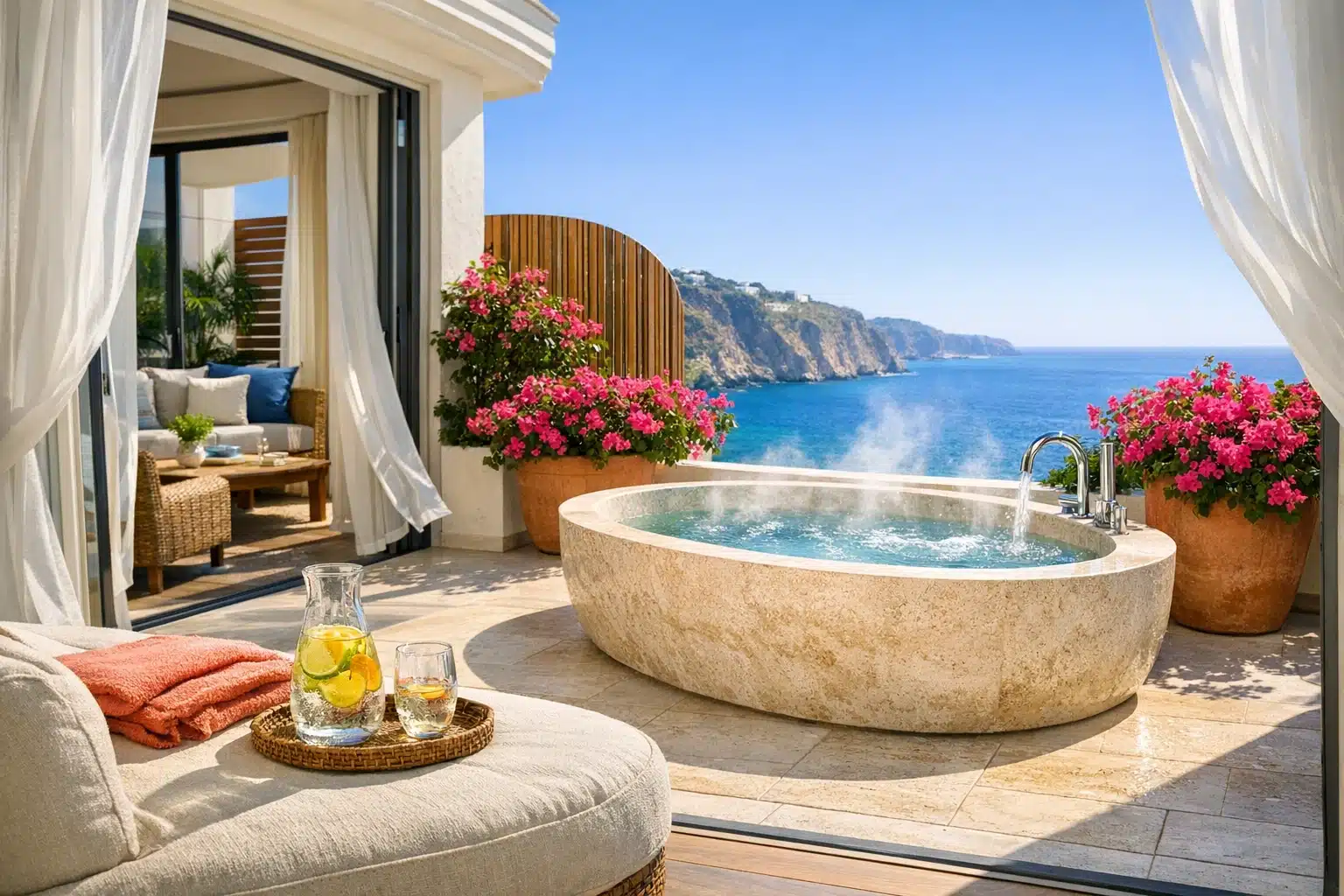
Exploring Outdoor Shade Structures: Designs, Materials, and Weather Protection Benefits
Introduction to Outdoor Shade Structures
Outdoor shade structures have become an integral part of modern landscaping, providing both aesthetic appeal and functional benefits. These structures not only enhance the beauty of outdoor spaces but also offer essential protection from the elements. As more people seek to maximize their outdoor living areas, understanding the various designs, materials, and benefits of shade structures becomes crucial. This article delves into the world of outdoor shade structures, exploring their diverse designs, material options, and the weather protection they offer, making them a valuable addition to any garden or patio.
Innovative Designs in Shade Structures
Shade structures come in a myriad of designs, catering to different aesthetic preferences and functional needs. From traditional pergolas to modern sail shades, the options are vast and varied. Pergolas, with their classic post and beam construction, offer a timeless appeal and can be customized with climbing plants for added charm. On the other hand, sail shades provide a contemporary look with their sleek, tensioned fabric design, ideal for minimalist landscapes.
For those seeking versatility, retractable awnings offer the ability to adjust the amount of shade as needed, making them perfect for spaces that require flexibility. Gazebos, often octagonal, provide a more enclosed space, offering not just shade but a cozy retreat. Each design serves a specific purpose, allowing homeowners to choose based on their specific needs and the architectural style of their home.
Materials Used in Shade Structures
The choice of materials in shade structures significantly impacts their durability, maintenance, and overall appearance. Common materials include wood, metal, and fabric, each offering distinct advantages. Wood, often used in pergolas and gazebos, provides a natural look that blends seamlessly with outdoor environments. However, it requires regular maintenance to prevent weather damage.
Metal, such as aluminum or steel, offers durability and low maintenance, making it a popular choice for modern designs. It withstands various weather conditions well, though it can be prone to rust if not properly treated. Fabric, used predominantly in sail shades and retractable awnings, offers flexibility and ease of installation. Advanced fabric materials provide UV protection and are water-resistant, enhancing their functionality.
Weather Protection Benefits
One of the primary advantages of outdoor shade structures is their ability to protect against harsh weather conditions. They provide essential shade from the sun, reducing the risk of UV damage and keeping outdoor spaces cooler. This not only makes outdoor areas more comfortable but also protects outdoor furniture and plants from sun exposure.
In addition to sun protection, shade structures can offer shelter from rain, allowing outdoor spaces to be used even during wet weather. Fabric structures, in particular, are designed to be water-resistant, ensuring that gatherings or relaxation can continue without interruption. By providing a barrier against wind and rain, these structures enhance the usability of outdoor spaces throughout the year.
Conclusion: Enhancing Outdoor Living with Shade Structures
Outdoor shade structures are a valuable investment for anyone looking to enhance their garden or patio. With a wide range of designs and materials available, they can be tailored to suit any style or functional requirement. Beyond aesthetics, they offer significant benefits in terms of weather protection, allowing for more enjoyable and extended use of outdoor areas. As we continue to value outdoor living spaces, the role of shade structures in providing comfort and protection becomes increasingly important.