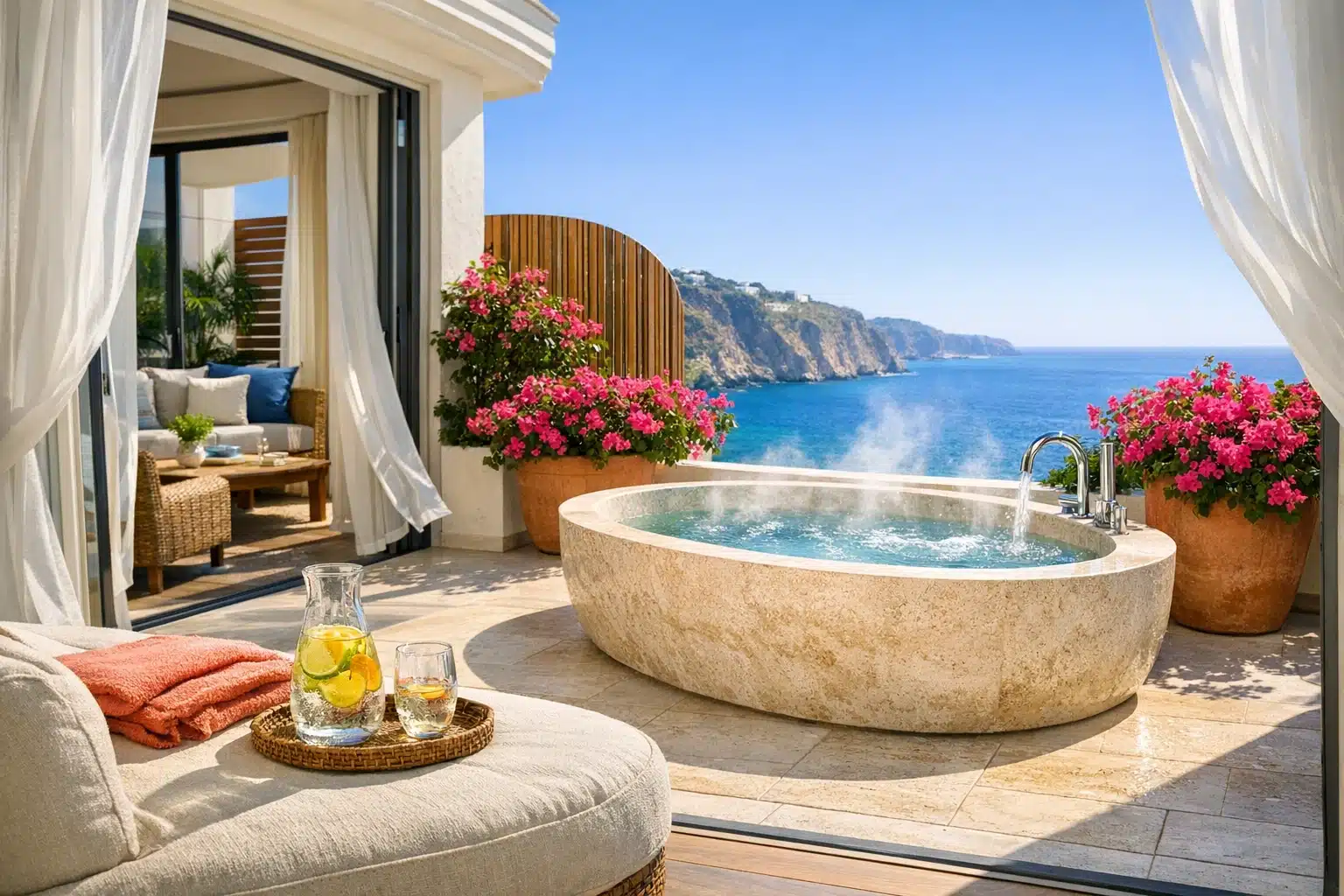
Smart Home Integration and Comfort Design in Modern Living Spaces
Introduction to Smart Home Integration
In today’s fast-paced world, the concept of home has evolved beyond merely being a place of shelter. Modern living spaces are increasingly incorporating smart technology to enhance comfort, efficiency, and security. Smart home integration is no longer a futuristic idea but a present reality, offering a seamless blend of technology and lifestyle. This integration brings about a transformation in how we interact with our living environments, making homes not only more efficient but also more tailored to individual needs.
Smart home technology encompasses a variety of devices and systems that are interconnected through the internet, allowing homeowners to control and monitor their environment remotely. From lighting and heating to security systems and entertainment, the possibilities are nearly limitless. As these technologies become more accessible, they are reshaping the way we design and inhabit our homes, emphasizing comfort and convenience.
The Role of Smart Technology in Comfort Design
One of the key aspects of modern living spaces is the focus on comfort design, which aims to create environments that are both aesthetically pleasing and functionally effective. Smart technology plays a crucial role in achieving this balance by providing solutions that enhance the daily life of inhabitants. Automated lighting systems, for instance, can adjust to the time of day and occupancy, creating a perfect ambiance while conserving energy.
Heating and cooling systems have also seen significant advancements with smart technology. These systems can learn the preferences of the homeowners and adjust settings automatically to maintain optimal comfort. Moreover, they offer remote access, allowing users to modify settings from anywhere, ensuring that the home environment is just right upon arrival. Such integration of technology not only enhances comfort but also contributes to energy efficiency, reducing utility costs.
Additionally, smart home devices can be integrated with voice control systems, enabling hands-free operation. This feature enhances accessibility, particularly for individuals with mobility challenges, and contributes to a more inclusive living environment.
Security and Peace of Mind
Security is a fundamental aspect of home design, and smart technology offers innovative solutions to enhance safety and peace of mind. Modern security systems include features such as smart locks, video doorbells, and surveillance cameras that can be monitored in real-time from a smartphone or tablet. These systems not only deter potential intruders but also provide homeowners with constant updates on the status of their property.
Moreover, smart security systems can be integrated with other home automation devices to create comprehensive safety protocols. For example, if a security camera detects unusual activity, it can trigger the lighting system to turn on, simulating occupancy and potentially deterring intruders. Such interconnected systems provide a layered security approach, enhancing the overall safety of the home.
The ability to monitor and control home security systems remotely adds an extra layer of convenience, allowing homeowners to respond promptly to any alerts or anomalies, no matter where they are.
Smart Entertainment and Lifestyle Enhancements
Beyond comfort and security, smart home integration significantly enhances entertainment and lifestyle experiences. Home entertainment systems have evolved to offer immersive experiences with high-definition audio and video, all controlled from a single device. Smart TVs, streaming devices, and sound systems can be synchronized to provide a seamless entertainment experience tailored to individual preferences.
Smart home technology also extends to lifestyle enhancements, such as automated blinds and curtains that adjust based on the time of day, optimizing natural light and privacy. Kitchen appliances are becoming smarter, with features like remote monitoring and control, recipe recommendations, and energy-efficient operation.
The integration of smart technology into daily routines simplifies tasks and enhances the overall quality of life, allowing residents to focus more on enjoying their living spaces rather than managing them.
Conclusion: The Future of Smart Living
As technology continues to evolve, the potential for smart home integration in modern living spaces will only expand. The convergence of smart technology and comfort design offers a glimpse into the future of living, where homes are not just places to live but dynamic environments that respond to the needs and preferences of their inhabitants.
For homeowners, this means increased comfort, efficiency, and security, as well as the opportunity to create personalized spaces that reflect their lifestyle and values. As these technologies become more mainstream, they will undoubtedly play a pivotal role in shaping the homes of tomorrow, making smart living an integral part of modern life.
In conclusion, the integration of smart technology into comfort design is transforming the way we think about and interact with our living spaces. By embracing these advancements, we can create homes that are not only functional but also truly enjoyable places to live.